
From the blog
How to Tell If Your Drywall Crack Is Cosmetic or Structural (Wasatch Front)
By Kris Bowen, Owner, Handyman Jacks · Updated
A cracked wall doesn’t necessarily mean your foundation is failing. Most drywall cracks in Wasatch Front homes are cosmetic settling, not structural emergencies. But some are. Here’s how to tell the difference before you spend money on the wrong fix.
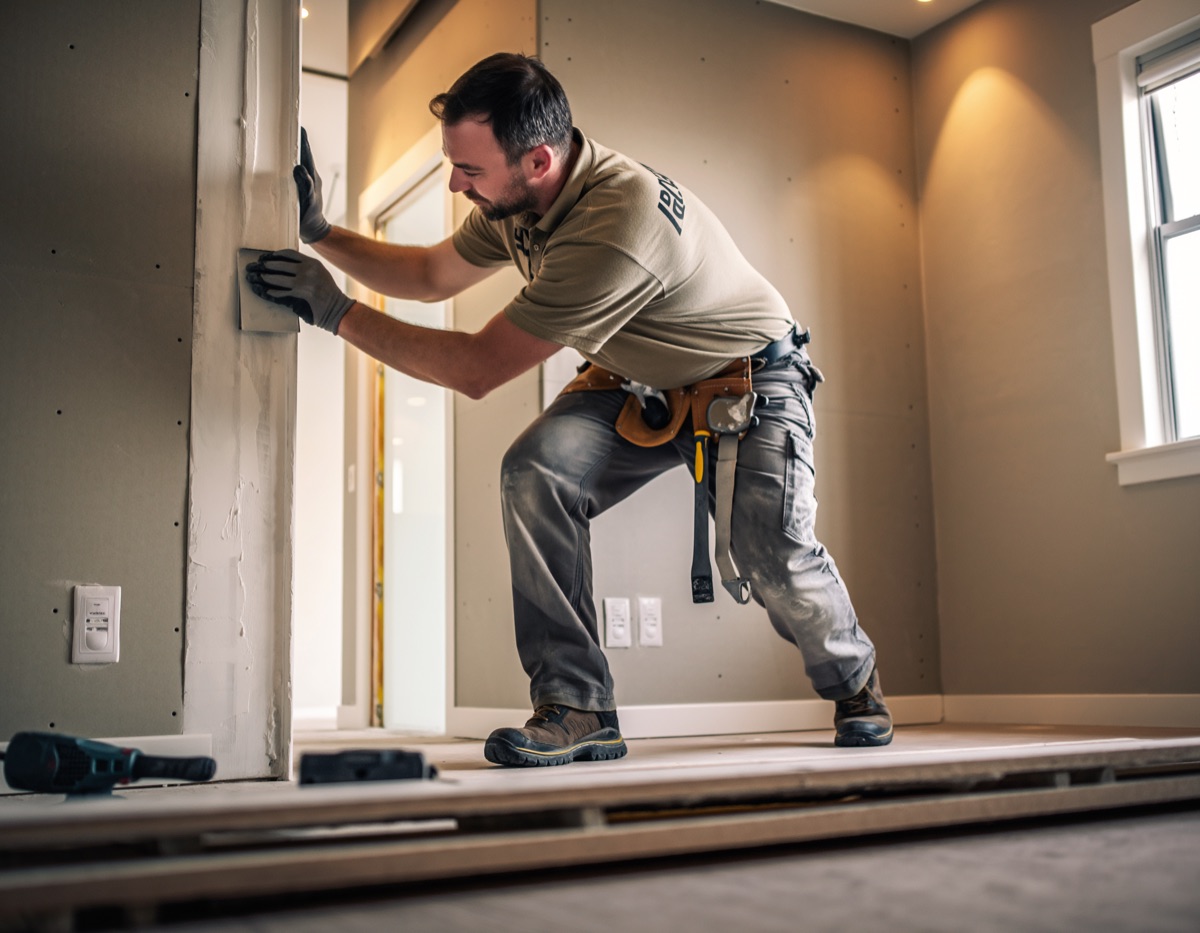
The 3 signs a crack is COSMETIC
Stand back from the crack. Run your fingernail across it. If your nail doesn’t catch on either side, the two sides of the crack are at the same depth. That’s a cosmetic settling crack, no structural shift, no displacement, just dried-out drywall mud or wall paint contracting.
These spots are stress concentration points where drywall settles naturally as a house ages. A crack running diagonally from the corner of a doorframe upward is almost universally cosmetic. Same for cracks in ceiling-to-wall corners.
Take a photo. Mark each end with painter’s tape. Re-photograph in 60 days. If the crack hasn’t widened, lengthened, or shifted, it’s cosmetic.
The 4 signs a crack is STRUCTURAL
A pencil-thick crack means real movement. Either foundation shift, frame movement, or a beam issue.
If the crack follows the mortar joints in a stair-step pattern (especially on exterior masonry), that’s foundation movement. Call a foundation contractor.
Run your fingernail across. If your nail catches because one side sticks out further than the other, that’s not settling, that’s the wall shifting. Structural.
White powdery residue, brown stains, or visible damp around a crack means water is getting in. Either foundation seepage or roof/window flashing failure.
Wasatch Front-specific patterns
Local climate and soil drive specific crack patterns we see often:
- ✓ East bench hillside settling: Many bench homes show new winter cracks every year as the slope flexes with snow load and freeze-thaw. These are usually cosmetic. Patch and paint annually.
- ✓ Clay soil swelling: West side of the valley (Magna, West Valley, Kearns) has expansive clay. Cracks open in dry summers and close in wet springs. Usually cosmetic unless extreme.
- ✓ Foundation crack in basement wall (horizontal): This pattern is structural in Utah’s expansive soil. Get a foundation engineer to look.
The fix path
For cosmetic cracks:
- ✓ Tape with self-adhesive mesh tape
- ✓ 2-3 thin coats of drywall compound, sanded between
- ✓ Texture match (orange peel, knockdown, smooth, match what’s there)
- ✓ Prime + paint
- ✓ Total cost: $95-$295 per spot depending on size
For structural cracks:
- ✓ Don’t paint over them
- ✓ Get a foundation engineer to inspect ($350-$650 for inspection)
- ✓ Fix the underlying issue (foundation pier, drainage, beam repair) BEFORE cosmetic repair
- ✓ Total cost varies wildly: $3,500-$25,000+ depending on issue
The pre-listing implication
If you’re listing your home, every visible drywall crack will be photographed by the buyer’s inspector and will appear on the inspection report. Buyer’s agents use this to negotiate credits. Whether the crack is cosmetic or structural, a $200 pre-listing patch saves you from a $1,500 credit ask.
Not sure if your crack is cosmetic or structural? Send us a photo with a coin next to it (for scale). We’ll respond within hours with our read. Free, no obligation. (801) 895-2084 · hello@handymanjacks.com.
Related: Drywall repair cost calculator · Drywall repair service
Ready to knock out your list?
Send photos of what needs fixing. We reply with a real estimate, fast. No site visit needed for most jobs.