
From the blog
The Electrical Problems That Stall Wasatch Front Home Sales (and How to Clear Them Before Listing)
By Kris Bowen, Owner, Handyman Jacks · Updated
Ask any Wasatch Front real estate agent what shows up on nearly every home inspection report, and electrical will be near the top of the list. A lot of the housing stock across Salt Lake County was built between the 1970s and the 1990s, and the wiring standards of that era do not match what today’s buyers and their inspectors expect. The good news is that most of the flagged items are inexpensive to clear, and clearing them before you list keeps a buyer from turning the inspection into a price negotiation.
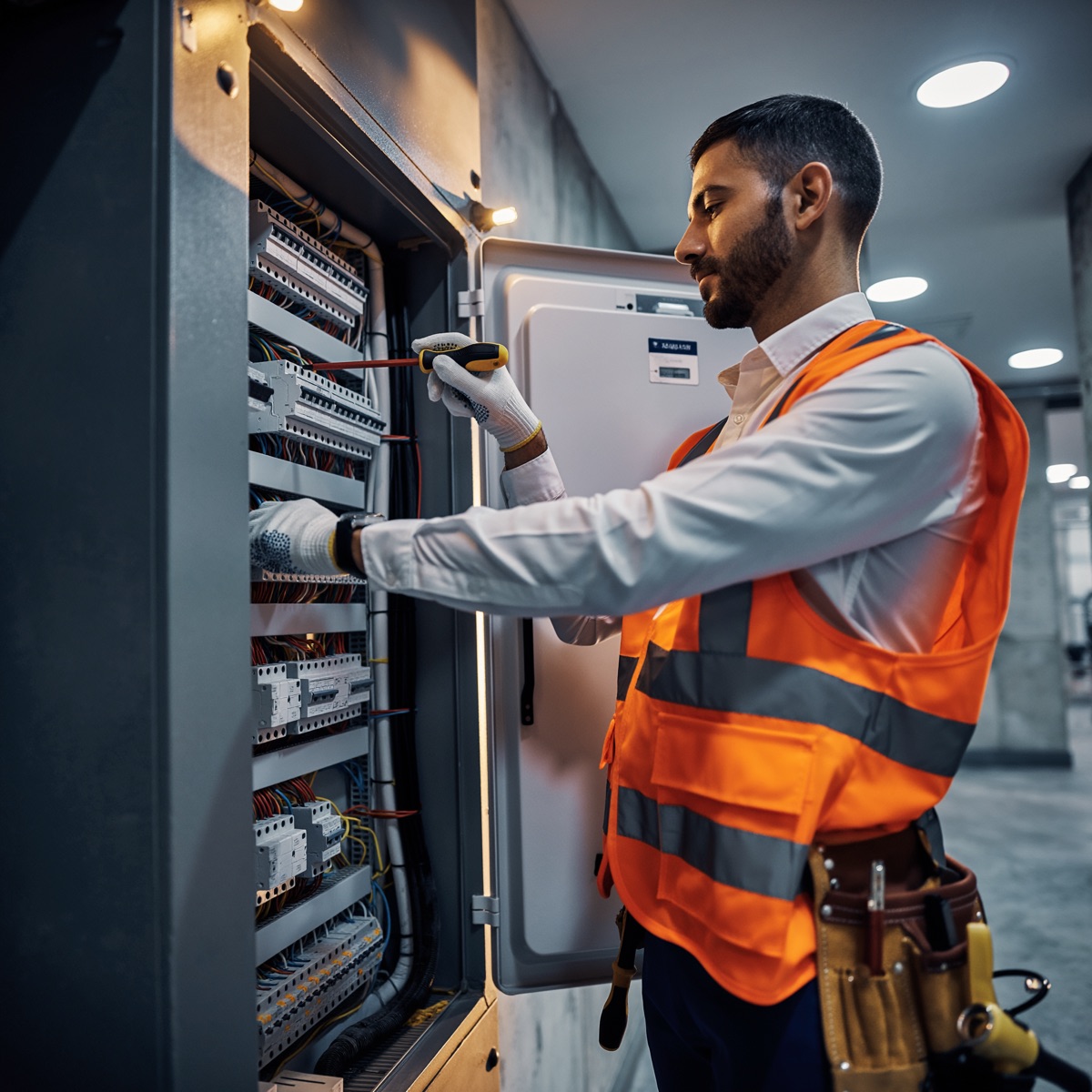
Why electrical shows up on almost every inspection
Inspectors are trained to note safety issues, and older electrical systems are full of small ones. None of these findings mean your home is dangerous today, but each one is a line item a buyer can point to. String enough of them together and the buyer starts to wonder what else has been ignored. That perception, more than any single outlet, is what costs you at the negotiating table.
The items inspectors flag most on Utah homes
A handful of findings come up again and again on Wasatch Front properties. Here are the ones worth handling before your home goes on market.
Ground fault outlets are required near water, so kitchens, bathrooms, laundry rooms, garages, and exterior receptacles all get checked. Missing GFCI protection is one of the single most commonly cited items in Utah home sales, and it is also one of the cheapest to fix. Two-prong ungrounded outlets are another frequent write up in older homes. Both are quick swaps for someone who knows what they are doing. If you have an outlet that keeps tripping, that is a related but separate issue, and we walk through the causes in our guide to a GFCI outlet that keeps tripping.
Certain panel brands from the 1970s and 1980s have a reputation for breakers that do not trip reliably, and an inspector will call those out by name. Service size is the other one. A 60 amp or 100 amp panel was fine decades ago, but today’s homes run air conditioning, EV chargers, and a house full of electronics, so buyers increasingly expect 200 amp service. Panel work is not handyman territory. It is a licensed electrician’s job, and it is one of the pricier pre-listing items, so it is worth knowing early whether yours will be flagged.
What you can safely check yourself
Before you call anyone, you can do a quick self survey. Walk the house with a simple outlet tester from the hardware store and check that kitchen and bath receptacles are grounded and GFCI protected. Note any outlets or switches that are warm, discolored, or loose in the wall. Look at your panel and read the amperage on the main breaker. Check that every breaker is labeled and that there are no open slots exposing the interior. Write down what you find. That list becomes the starting point for a focused fix rather than a vague worry.
What needs a licensed hand
There is a clear line here, and we respect it. Swapping a receptacle for a GFCI, replacing a worn switch, updating a light fixture, or adding a cover plate is straightforward work our technicians handle every day. Anything inside the panel, a service upgrade, new circuits, or aluminum wiring remediation belongs to a licensed electrician, and for those jobs we will tell you so and help you coordinate the right pro rather than pretend it is a handyman fix. Being honest about that line is part of how we work, and it protects you from a cheap fix that fails a re-inspection.
We are not the lowest bid in the valley, and for work that ends up in an inspection report that matters. You get a background checked technician who shows up on time, follows your house rules, and leaves the panel labeled and the outlets clean. We are fully insured, and the work carries our warranty, which you can hand a buyer as documentation. A round of GFCI and outlet updates typically starts at a single service call, which is a small number next to the credit a buyer would otherwise ask for.
Clear it before the buyer’s inspector arrives
The worst time to learn about your electrical is during a buyer’s inspection, when you have a contract deadline and no leverage. The best time is a few weeks before you list, when a quick pass can knock out the small items and flag the big ones early. That is exactly what the punch list phase of our MarketReady seller program is built to do, and electrical is often the fastest win on it. For the broader inspection picture, our breakdown of FHA and VA inspection items is a useful companion read.
Get ahead of the inspection
If you want your electrical cleaned up before you list, or you just want to know what an inspector will find, we can help. Send us a few photos or a short video for a no obligation estimate, or schedule a free estimate. Call or text Handyman Jacks at 801-895-2084.
Ready to knock out your list?
Send photos of what needs fixing. We reply with a real estimate, fast. No site visit needed for most jobs.